


How do Christmas ornaments, made from clay dough, retain their unique handcrafted warmth with their "icing" texture?
Release Time : 2026-02-27
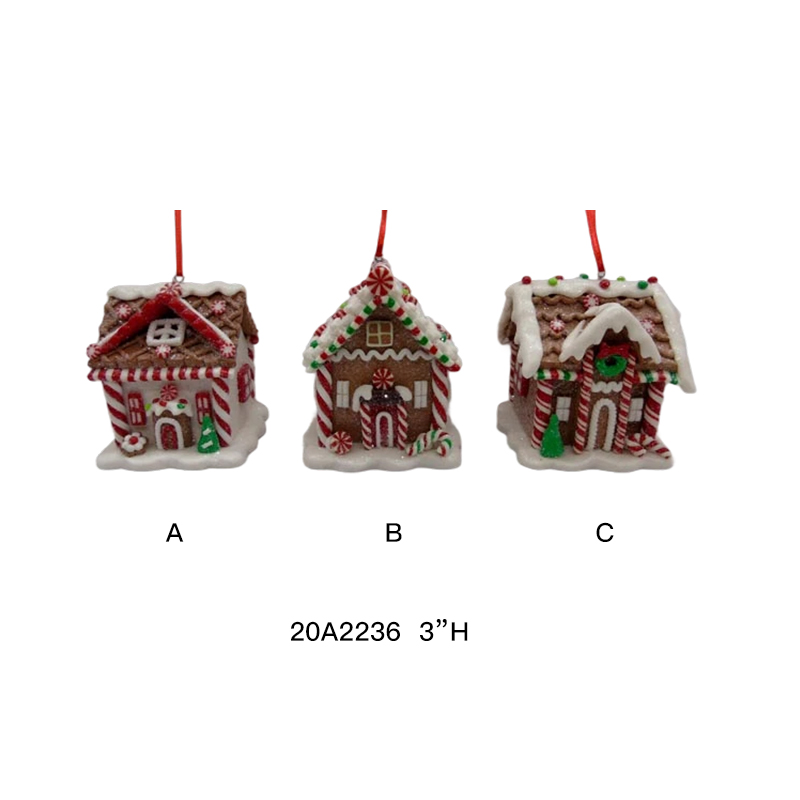
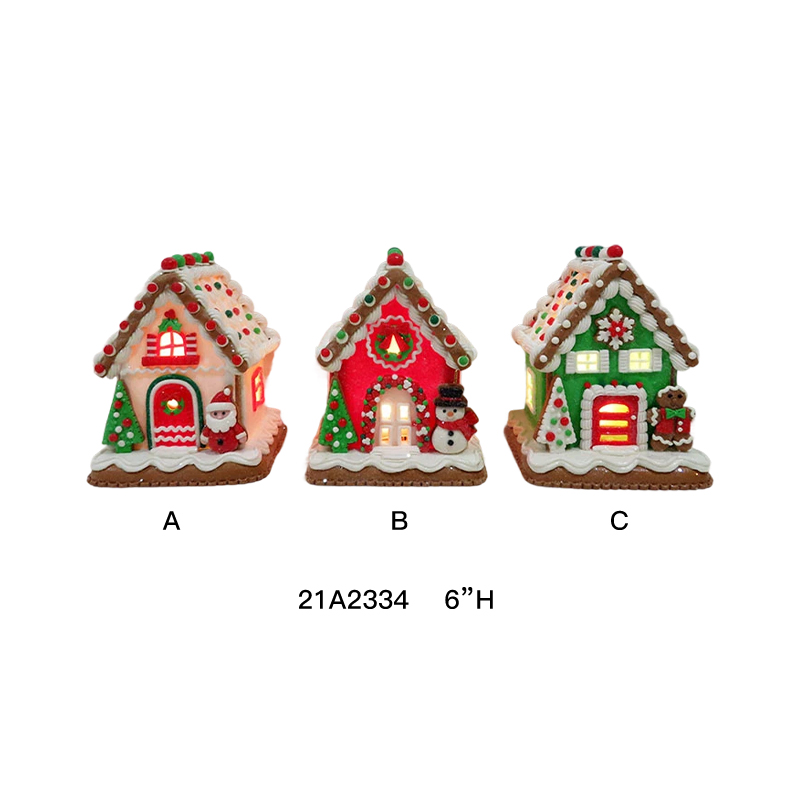
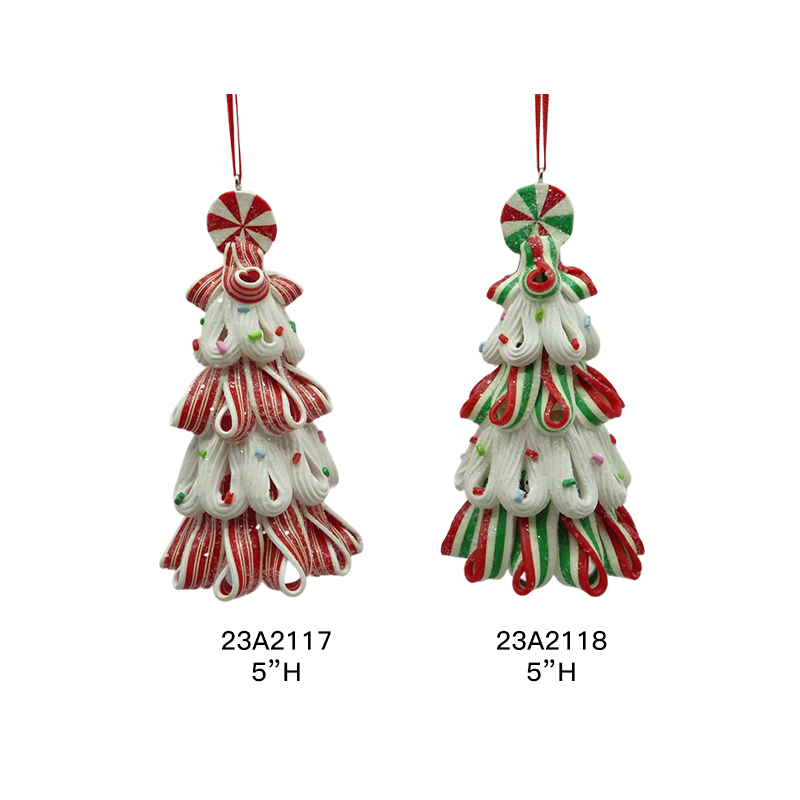
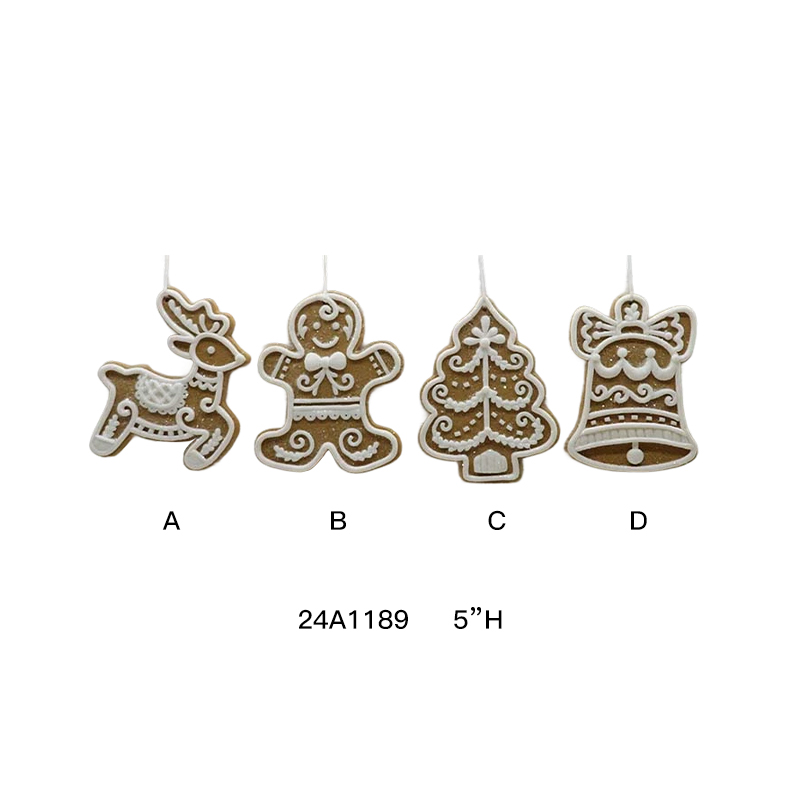
Among the colorful Christmas decorations, there exists a special category: not mass-produced by cold industrial molds, but exuding a warm and rustic charm—Christmas ornaments are handcrafted candy tree decoration sets made from clay dough. These ornaments, primarily in festive red, white, and green, are most striking for their lifelike "icing" texture. This texture isn't a real accumulation of sugar, but a delicate simulation of craftsmanship.
1. Material Reshaping: From Clay Dough to Realistic Desserts
To understand the source of this handcrafted warmth, we must first examine the unique nature of the material. These ornaments are made from a special clay dough that combines the shaping ability of terracotta with the soft touch of dough. In the initial stages of creation, the artisan doesn't sculpt like they would hard stone, but rather kneads the clay like real Christmas cookie dough, shaping the trunk, branches, and candies using the warmth and pressure of their fingers.
The use of red, white, and green isn't simple painting; pigments are often incorporated into the dough itself, or layered with different colored clay pieces to create natural transitions. This method determines the texture of each "candy tree" and the size of each "candy," all dependent on the artisan's state of mind and touch. Machines can produce millions of identical spheres, but they cannot replicate the subtle undulations left by fingers pressing the clay. This inherent plasticity of the material lays a solid foundation for the personalized expression of the subsequent "icing" technique.
2. The Birth of "Icing": Chance and Inevitability in Flow
The surface "icing" effect is the soul of the entire process, and the part where the warmth of handcraft is most vividly displayed. Craftsmen typically use diluted white clay paste, special paste-like pigments, and even glue mixed with fine glitter to simulate the flowing texture of melted sugar syrup.
In this process, there are no standard blueprints or precise robotic arms. Craftsmen, tools in hand, rely on experience to control the flow and thickness of the "icing." In some places, it's thick as snow, in others thin as gauze; some "icing" drips naturally into teardrop shapes, while others accumulate into fluffy clouds on branches. This fluidity introduces a great deal of chance: every flick of the wrist, every angle of tilt, results in drastically different shapes of "icing." Even a seasoned craftsman cannot create two identical distributions of "icing." It is precisely this tolerance for "imperfection" and acceptance of "chance" that gives each ornament its own character, as if it were truly just taken out of the oven, still brimming with the warmth and vitality of life.
3. A Unique Imprint: The Ultimate Interpretation of Handcrafted Warmth
The so-called "handcrafted warmth" refers not only to the physical heat transferred from the hands to the clay during the creation process, but also to the emotional depth and the marks of time imbued in the work. In industrialized production, efficiency is paramount, and flaws are eliminated; however, in the art of handcrafted clay "icing," the subtle fingerprints, asymmetrical shapes, and the freehand strokes as the "icing" flows are all considered precious characteristics.
In conclusion, the reason why Christmas ornaments made from clay dough retain their unique handcrafted warmth in their "icing" texture lies in the adherence to humanistic management in their production process. From kneading and shaping the dough to the free flow of the "icing," every step is filled with human participation and creativity.
1. Material Reshaping: From Clay Dough to Realistic Desserts
To understand the source of this handcrafted warmth, we must first examine the unique nature of the material. These ornaments are made from a special clay dough that combines the shaping ability of terracotta with the soft touch of dough. In the initial stages of creation, the artisan doesn't sculpt like they would hard stone, but rather kneads the clay like real Christmas cookie dough, shaping the trunk, branches, and candies using the warmth and pressure of their fingers.
The use of red, white, and green isn't simple painting; pigments are often incorporated into the dough itself, or layered with different colored clay pieces to create natural transitions. This method determines the texture of each "candy tree" and the size of each "candy," all dependent on the artisan's state of mind and touch. Machines can produce millions of identical spheres, but they cannot replicate the subtle undulations left by fingers pressing the clay. This inherent plasticity of the material lays a solid foundation for the personalized expression of the subsequent "icing" technique.
2. The Birth of "Icing": Chance and Inevitability in Flow
The surface "icing" effect is the soul of the entire process, and the part where the warmth of handcraft is most vividly displayed. Craftsmen typically use diluted white clay paste, special paste-like pigments, and even glue mixed with fine glitter to simulate the flowing texture of melted sugar syrup.
In this process, there are no standard blueprints or precise robotic arms. Craftsmen, tools in hand, rely on experience to control the flow and thickness of the "icing." In some places, it's thick as snow, in others thin as gauze; some "icing" drips naturally into teardrop shapes, while others accumulate into fluffy clouds on branches. This fluidity introduces a great deal of chance: every flick of the wrist, every angle of tilt, results in drastically different shapes of "icing." Even a seasoned craftsman cannot create two identical distributions of "icing." It is precisely this tolerance for "imperfection" and acceptance of "chance" that gives each ornament its own character, as if it were truly just taken out of the oven, still brimming with the warmth and vitality of life.
3. A Unique Imprint: The Ultimate Interpretation of Handcrafted Warmth
The so-called "handcrafted warmth" refers not only to the physical heat transferred from the hands to the clay during the creation process, but also to the emotional depth and the marks of time imbued in the work. In industrialized production, efficiency is paramount, and flaws are eliminated; however, in the art of handcrafted clay "icing," the subtle fingerprints, asymmetrical shapes, and the freehand strokes as the "icing" flows are all considered precious characteristics.
In conclusion, the reason why Christmas ornaments made from clay dough retain their unique handcrafted warmth in their "icing" texture lies in the adherence to humanistic management in their production process. From kneading and shaping the dough to the free flow of the "icing," every step is filled with human participation and creativity.