


How do Christmas ornaments made of clay create a retro, rustic, and warm Nordic Christmas atmosphere?
Release Time : 2025-12-08
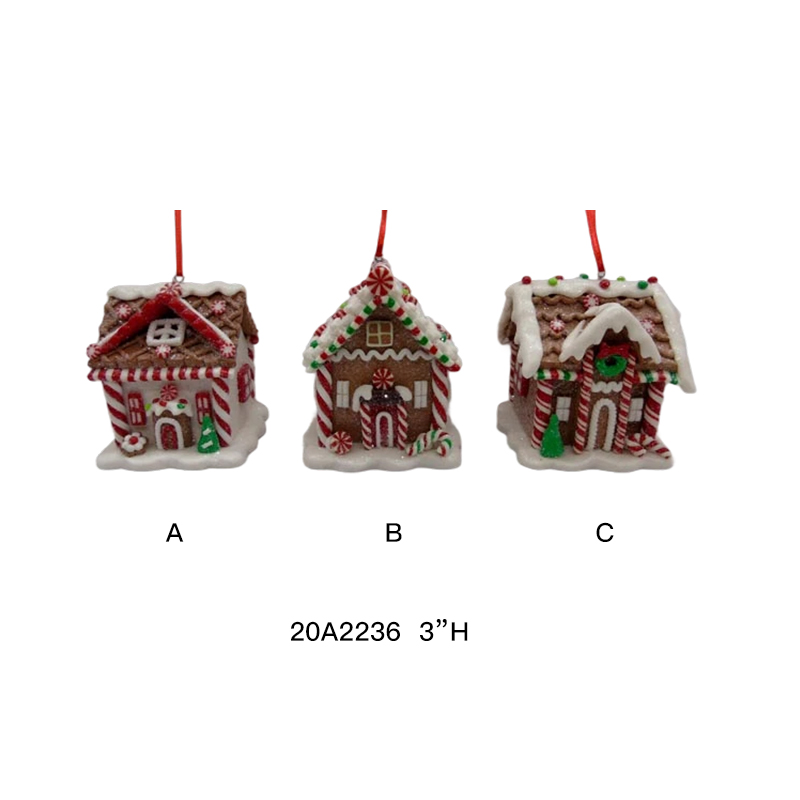
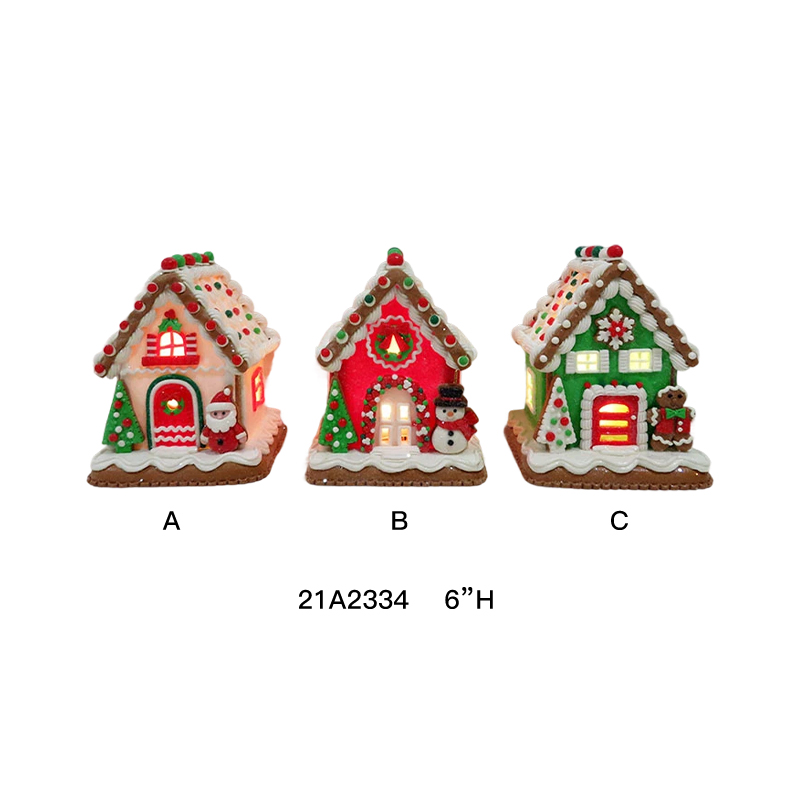
As the Christmas bells ring out, home decorations become an important medium for conveying warmth and a sense of ritual. Among the dazzling array of decorations, Christmas ornaments stand out with their unique texture and aesthetics. Unlike the bright and glaring plastic, or the cold and fragile glass ornaments, they precisely capture the core of the Nordic Christmas spirit—simplicity, nature, nostalgia, and human warmth—with their soft contours, warm touch, and delicate texture reminiscent of handmade icing.
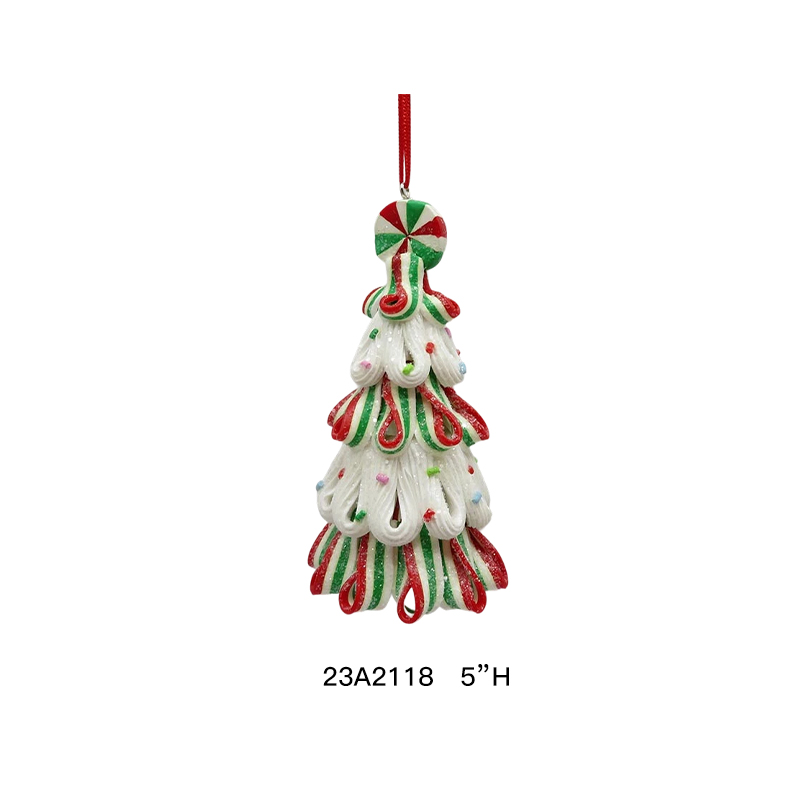
1. The Essence of the Material: The Natural Breathability of Clay Dough
Clay dough, as a highly malleable and stable material after drying, inherently possesses the raw essence of earth. After being hand-kneaded, shaped, and naturally air-dried, the finished product exhibits a subtle granular texture and a matte finish, as if gently polished by time. This "imperfect" texture perfectly aligns with the "Hygge" philosophy championed by Scandinavian design—not pursuing the absolute smoothness of industrialization, but treasuring the warmth and authenticity brought by handcrafted traces. When sunlight filters through the windowpanes and falls on the clay candy ornaments, the soft diffused reflection creates a tranquil and warm atmosphere of light and shadow, reminiscent of handmade cookies and hot cocoa by a fireplace on a snowy night.
2. Color Language: The Classic Trio of Red, White, and Green
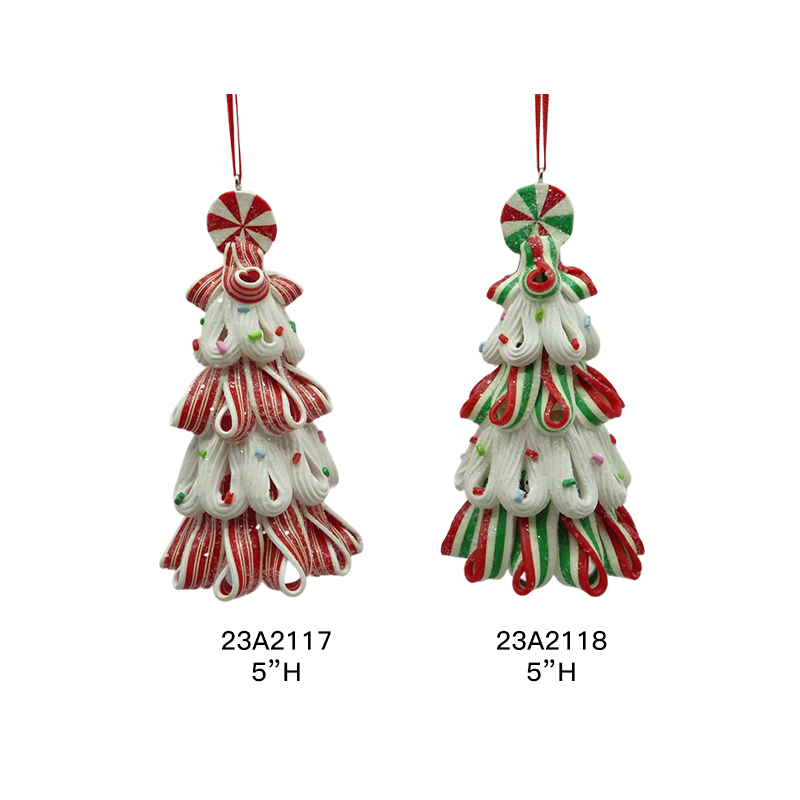
The Christmas ornaments use the three most representative colors of Christmas—red, white, and green—but abandon highly saturated fluorescent hues, instead employing low-brightness, grayish retro color schemes: cherry red like the rich color of boiled berries, pine green like the tranquility of a deep winter forest, and creamy white mimicking the warm, slightly yellowish tone of traditional icing. These colors are not sprayed onto the surface, but rather mineral pigments are incorporated into the clay itself, then hand-rolled or dotted to create natural transitions and layers. The treatment of the "icing effect"—a thin layer of white clay lightly applied to the top of each candy shape to simulate the randomness of hand-sprinkled powder—retains the festive spirit while avoiding cloying sweetness, showcasing the restrained beauty favored by Scandinavians.
3. Design Inspiration: A Poetic Transformation from Traditional Candy to Holiday Symbols
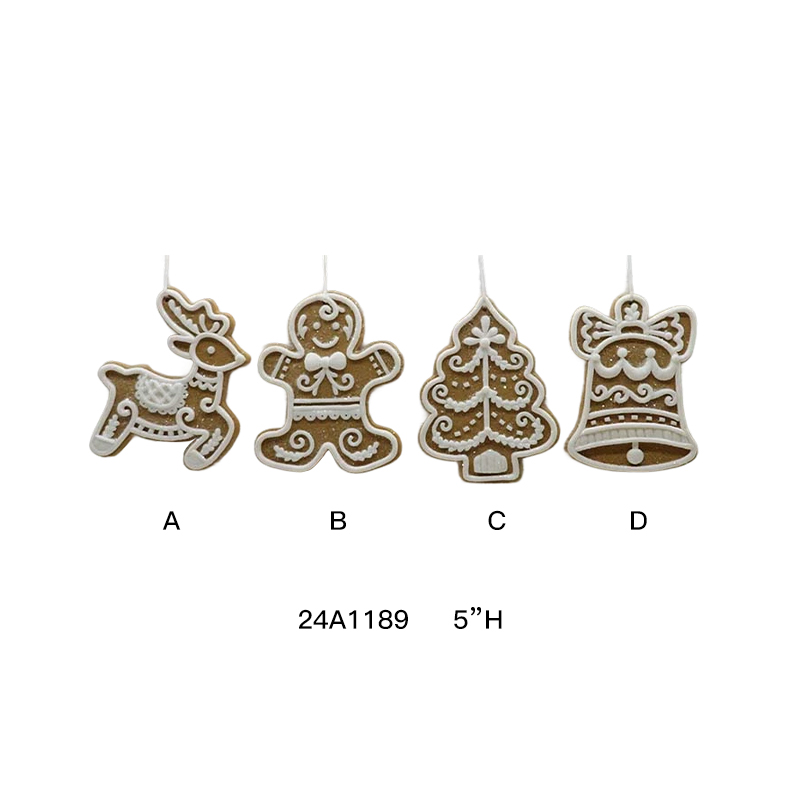
Christmas ornaments draw heavily on classic Christmas candies: candy canes, round hard candies, gingerbread men, and snowflake sugar pieces. However, the designers didn't simply replicate them; instead, they refined their essence with minimalist lines—candy canes are outlined with a single, flowing curve; the surface of the sugar balls is embossed with fine textures to simulate crystallization; and the gingerbread men omit facial details, using only buttons and belts for emphasis. This "less is more" design philosophy is the essence of Scandinavian design. Each small item, though tiny, is unique due to its handcrafted form, swaying gently in the breeze as if carrying the warmth and blessings of its maker.
4. Emotional Value: A Carrier of Enduring Holiday Memories
Unlike disposable holiday items, clay dough ornaments are sturdy, durable, and resistant to fading, allowing them to be taken out and hung year after year. Over time, subtle signs of use may appear on the surface, but these "marks of time" imbue them with a sense of history. Many Scandinavian families regard these handicrafts as intergenerational holiday tokens—a grandmother's candy ornaments are passed down to her granddaughter, becoming an emotional bond connecting family memories. In today's fast-paced consumer culture, this "slow decoration" precisely responds to people's yearning for authenticity, permanence, and meaning.
Clay dough Christmas ornaments are far more than just visual embellishments; they are an expression of a lifestyle. They use the simplicity of clay to combat the coldness of industry, the warmth of handcraft to dispel the hustle and bustle of the holiday, and the vintage hues to evoke collective memories. When they hang quietly on the Christmas tree, they exude not only festive joy but also a tranquility, sincerity, and reverence for the beauty of the everyday, deeply rooted in Scandinavian culture—this, perhaps, is the most touching essence of Christmas.