


How to imbue each clay Christmas ornament with a unique artistic texture and warm touch?
Release Time : 2026-01-19
In the world of holiday decorations, mass-produced plastic ornaments may be flashy, but they often lack soul; while a Christmas ornament meticulously handcrafted from clay, even with a simple design, always evokes a sense of tenderness and anticipation in people's hearts. This difference doesn't stem from the preciousness of the material itself, but from the human warmth and artistic spirit infused in the hand-shaping and meticulous coloring—every curve, every color, is an extension of the craftsman's fingertips and heart, transforming cold holiday symbols into a warm, breathing presence.
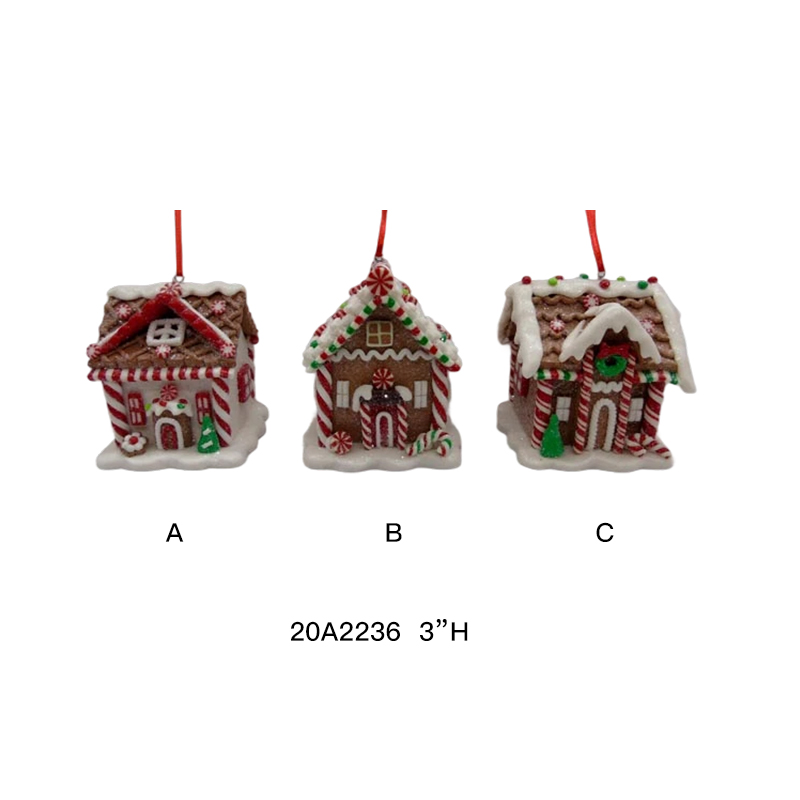
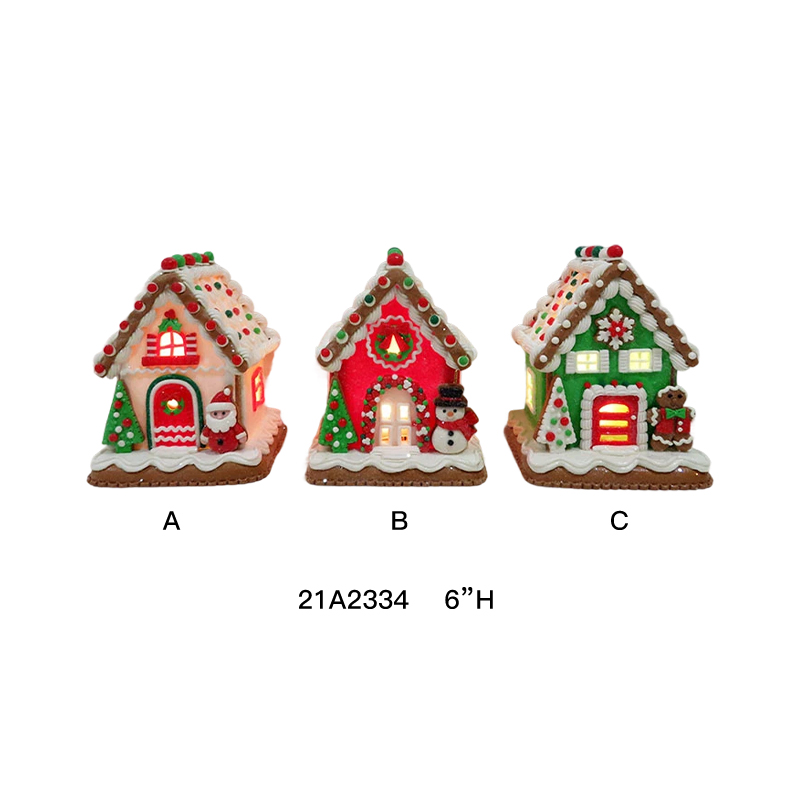
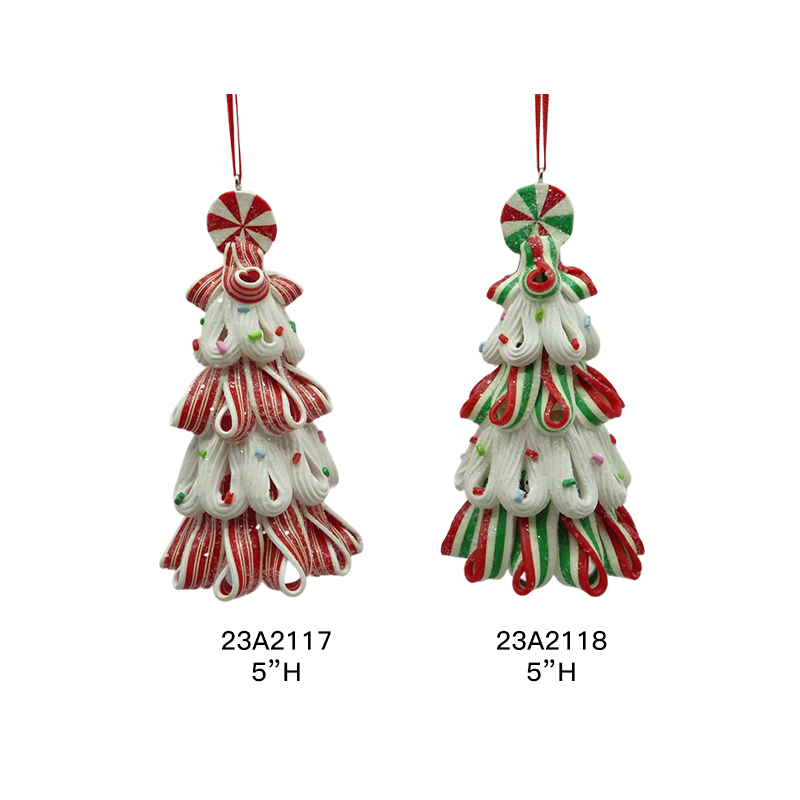
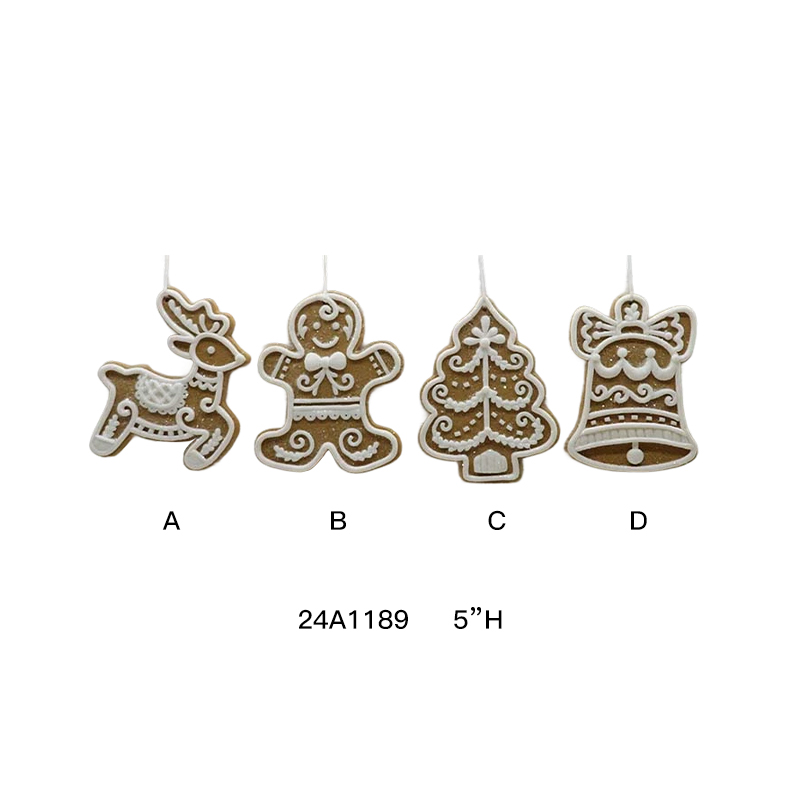
Hand-shaping is the first step in giving life to clay. Unlike the uniformity of mold-pressed pieces, skilled craftsmen knead, sculpt, and refine the raw dough with their hands, capturing the endearing nature of a snowman, the agility of a reindeer, or the benevolent smile of Santa Claus through repeated refinement. This "hands-as-you-go" creative method imbues each piece with a subtle personality: the curve of the nose varies slightly, the folds of the scarf fall naturally, and even the roundness of the cheeks differs depending on the pressure applied by the fingertips. It is precisely these "imperfections," which cannot be replicated by machines, that constitute the true beauty of handcrafted art—it doesn't strive for absolute symmetry, but is full of vibrant rhythm and emotional tension.
The meticulous application of color is the magic that illuminates this life. High-quality clay dough absorbs color evenly, providing an ideal canvas for painting. The craftsman uses a brush as fine as a hair, layering colors in thin coats: first, a base color to establish the overall atmosphere; then, transitions between light and dark to outline light and shadow; finally, the finishing touches are placed on tiny details such as eyelashes, buttons, or snowflake patterns. This technique, similar to traditional meticulous brushwork painting, avoids the rigidity of mechanical spraying, allowing the red cloak to reveal the weight of the fabric, the white beard to show its fluffy texture, and the golden bells to gleam with a warm, rather than glaring, sheen. Color is no longer merely a covering, but a language that tells a story. More importantly, the entire process rejects industrialized rushes. Clay must be naturally air-dried to prevent cracking, and pigments must be fully dried before layering; every step respects the nature of the materials and the rhythm of time. This "slow work" philosophy results in finished products that are not only visually soft and elegant but also warm and skin-friendly to the touch—no sharp edges, no cold hardness from chemical coatings, only the delicate texture of natural materials and hand-polishing. Children can touch them with peace of mind, and housewives can hang them confidently above the dining table; they blend into life without being overwhelming.
Furthermore, as non-DIY finished products, these ornaments, though handmade, undergo strict quality control to ensure a unified style and consistent quality. This is not a contradiction, but rather a delicate balance between mass production and personalization: a unified design language, yet each piece retains subtle differences in expression; stringent craftsmanship standards, yet the traces of handcrafting are preserved. This "controllable uniqueness" is precisely the rare value in the high-end holiday decoration market.
When a clay Christmas ornament like this is tied with twine and gently hung from an evergreen branch, it carries more than just a festive symbol; it carries a blessing from a craftsman from afar. Bathed in light, its soft outline and serene colors seem to whisper, "This holiday deserves to be treated gently." Therefore, hand-shaping and meticulous painting are not merely manufacturing processes, but a translation of emotion—condensing the joy of the holiday, the tranquility of winter, and the connection between people into a small space. And this is precisely the true spirit of Christmas that machines can never mass-produce.
Hand-shaping is the first step in giving life to clay. Unlike the uniformity of mold-pressed pieces, skilled craftsmen knead, sculpt, and refine the raw dough with their hands, capturing the endearing nature of a snowman, the agility of a reindeer, or the benevolent smile of Santa Claus through repeated refinement. This "hands-as-you-go" creative method imbues each piece with a subtle personality: the curve of the nose varies slightly, the folds of the scarf fall naturally, and even the roundness of the cheeks differs depending on the pressure applied by the fingertips. It is precisely these "imperfections," which cannot be replicated by machines, that constitute the true beauty of handcrafted art—it doesn't strive for absolute symmetry, but is full of vibrant rhythm and emotional tension.
The meticulous application of color is the magic that illuminates this life. High-quality clay dough absorbs color evenly, providing an ideal canvas for painting. The craftsman uses a brush as fine as a hair, layering colors in thin coats: first, a base color to establish the overall atmosphere; then, transitions between light and dark to outline light and shadow; finally, the finishing touches are placed on tiny details such as eyelashes, buttons, or snowflake patterns. This technique, similar to traditional meticulous brushwork painting, avoids the rigidity of mechanical spraying, allowing the red cloak to reveal the weight of the fabric, the white beard to show its fluffy texture, and the golden bells to gleam with a warm, rather than glaring, sheen. Color is no longer merely a covering, but a language that tells a story. More importantly, the entire process rejects industrialized rushes. Clay must be naturally air-dried to prevent cracking, and pigments must be fully dried before layering; every step respects the nature of the materials and the rhythm of time. This "slow work" philosophy results in finished products that are not only visually soft and elegant but also warm and skin-friendly to the touch—no sharp edges, no cold hardness from chemical coatings, only the delicate texture of natural materials and hand-polishing. Children can touch them with peace of mind, and housewives can hang them confidently above the dining table; they blend into life without being overwhelming.
Furthermore, as non-DIY finished products, these ornaments, though handmade, undergo strict quality control to ensure a unified style and consistent quality. This is not a contradiction, but rather a delicate balance between mass production and personalization: a unified design language, yet each piece retains subtle differences in expression; stringent craftsmanship standards, yet the traces of handcrafting are preserved. This "controllable uniqueness" is precisely the rare value in the high-end holiday decoration market.
When a clay Christmas ornament like this is tied with twine and gently hung from an evergreen branch, it carries more than just a festive symbol; it carries a blessing from a craftsman from afar. Bathed in light, its soft outline and serene colors seem to whisper, "This holiday deserves to be treated gently." Therefore, hand-shaping and meticulous painting are not merely manufacturing processes, but a translation of emotion—condensing the joy of the holiday, the tranquility of winter, and the connection between people into a small space. And this is precisely the true spirit of Christmas that machines can never mass-produce.