


How Does Professional Clay Dough Craftsmanship Elevate the Quality of Christmas Ornaments?
Release Time : 2026-04-08
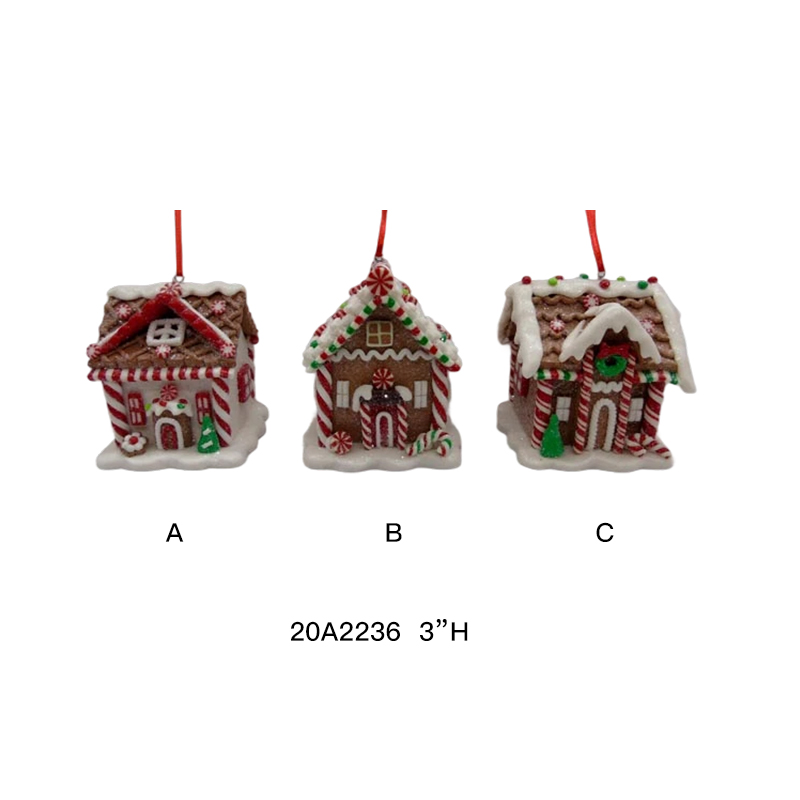
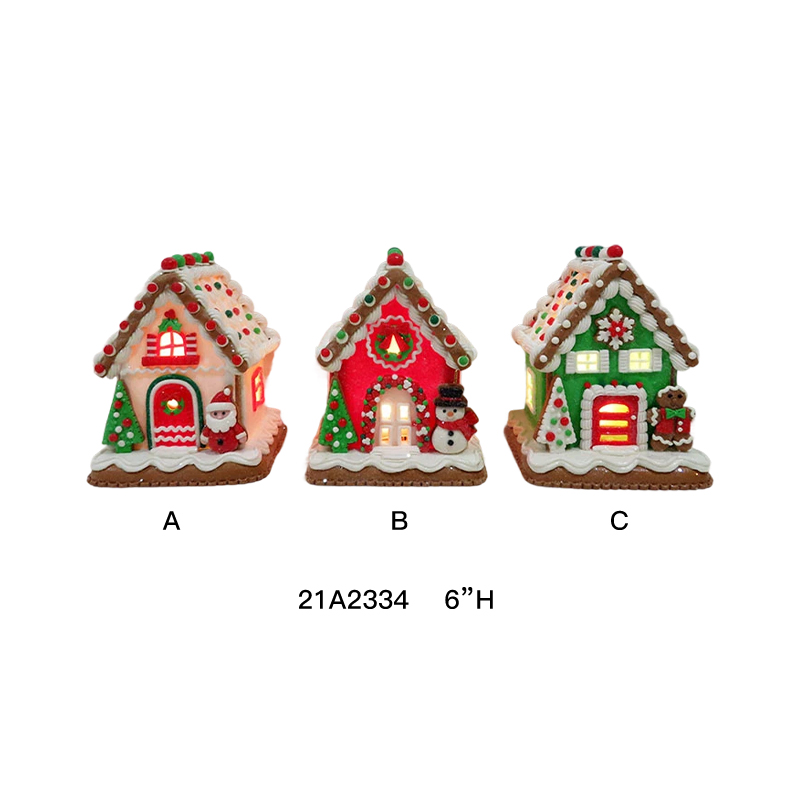
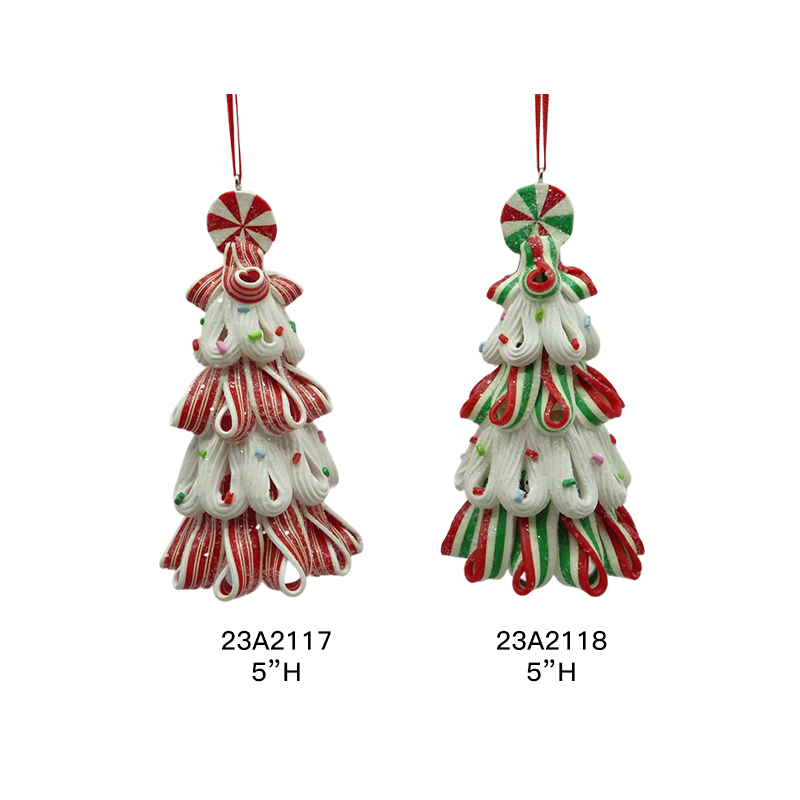
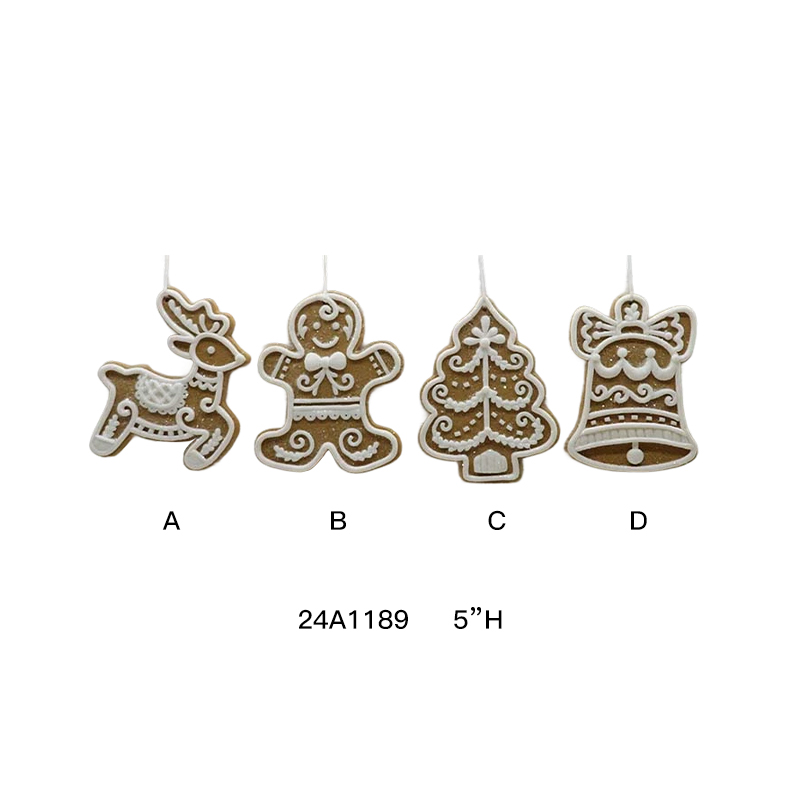
The festive season is synonymous with decoration, yet there is a distinct hierarchy in the world of holiday adornments. At the pinnacle of this hierarchy sit professional clay dough Christmas ornaments, a category of decoration that transcends the rustic charm of homemade crafts to enter the realm of fine art. While the DIY movement has popularized the act of making, there remains a significant market for high-end, ready-to-hang ornaments that showcase the pinnacle of what clay dough can achieve. Professional craftsmanship elevates these items from simple molded shapes to intricate, hand-finished masterpieces, ensuring that every detail, from the texture of a Santa beard to the glint of a painted eye, meets a standard of excellence that mass-produced plastics or amateur efforts simply cannot match.
The primary differentiator in professional clay dough craftsmanship is the material itself. Unlike the standard air-dry clays found in craft stores, which can be brittle or prone to cracking, professional manufacturers utilize proprietary blends of polymer-based doughs or high-grade cold porcelain. These materials are engineered for durability, flexibility, and fine detail retention. A professional artisan understands the rheology of the dough—how it stretches, compresses, and holds a shape. This expertise allows for the creation of delicate features, such as the thin rim of a holly leaf or the fine strands of a knitted hat texture, which would be impossible to achieve with inferior materials. The result is an ornament that feels substantial and luxurious, possessing a tactile quality that suggests permanence and heirloom value.
Precision in sculpting is another hallmark of professional production. In a non-DIY, manufacturer-led context, the creation of an ornament begins with a master sculptor who translates a concept into a three-dimensional reality. This process often involves advanced molding techniques where the clay is pressed into high-precision molds to ensure consistency across thousands of units. However, the "craftsmanship" element shines brightest in the post-molding phase. Professional artisans meticulously refine the raw castings, smoothing seams, sharpening edges, and adding hand-sculpted details that the mold cannot capture. This hybrid approach—combining the consistency of manufacturing with the touch of an artist—ensures that every ornament, whether it is a whimsical snowman or a traditional nativity figure, possesses a level of definition and clarity that defines high-quality decor.
The application of color in professional clay dough ornaments is a discipline in itself, far removed from the finger-painting aesthetics of amateur crafting. Professional painting involves a deep understanding of color theory, layering, and light interaction. Artisans use high-grade acrylics and specialized varnishes to build depth and realism. Techniques such as dry brushing are employed to highlight raised textures, while washes are used to settle into crevices, creating shadows and dimension. For instance, the red on a cardinal’s feather might be layered with subtle gradients of orange and deep crimson to mimic the natural iridescence of plumage. This meticulous painting process transforms a monochromatic clay form into a vibrant, lifelike object. The finish is often sealed with a professional-grade coating—matte, satin, or gloss—to protect the paint and enhance the visual appeal, ensuring the colors remain vivid for years to come.
Consistency is the silent promise of a leading manufacturer. For retailers and consumers purchasing non-DIY ornaments, the expectation is uniformity. Professional craftsmanship ensures that a set of six matching stars or a collection of distinct characters all adhere to a strict quality control standard. This involves rigorous inspection at every stage of production, from the initial baking or curing of the clay to the final packaging. In a professional setting, "curing" is a controlled scientific process. Whether the clay is oven-baked polymer or air-dried composite, the environment is managed to prevent warping, bubbling, or discoloration. This control eliminates the common defects found in DIY projects, such as fingerprints, uneven thickness, or structural weakness, delivering a product that is flawless and ready for display.
Furthermore, professional craftsmanship allows for design complexity that captures the spirit of the season in novel ways. Manufacturers are not limited by the skill level of a home crafter; they can execute complex mechanical assemblies, such as ornaments with moving parts, or integrate mixed media like glitter, metallic foils, and fabric elements seamlessly into the clay structure. A professional team can design a complex scene, such as a Victorian Christmas market, breaking it down into manufacturable components that assemble perfectly. This capability allows for the creation of thematic collections that tell a story, offering a cohesive aesthetic for Christmas trees and home decor that elevates the overall holiday atmosphere.
The value of professional clay dough ornaments also lies in their longevity. A DIY ornament is often a fleeting memory of a rainy afternoon, but a professionally crafted piece is designed to be an heirloom. The structural integrity provided by expert material selection and curing processes means these ornaments can withstand the test of time. They are resistant to fading, chipping, and environmental degradation. This durability justifies the "high added value" associated with premium decorations. Consumers are not just buying a decoration for a single season; they are investing in a piece of art that can be passed down through generations, carrying with it the nostalgia and warmth of Christmases past.
In conclusion, professional clay dough craftsmanship elevates Christmas ornaments by infusing them with artistry, durability, and precision. It bridges the gap between the warmth of handmade traditions and the precision of modern manufacturing. By utilizing superior materials, employing skilled artisans for sculpting and painting, and maintaining rigorous quality control, manufacturers create ornaments that are not merely decorations but expressions of holiday excellence. For those who seek the finest aesthetic for their holiday celebrations, these professionally crafted clay dough ornaments offer an unparalleled blend of beauty, consistency, and timeless charm.
The primary differentiator in professional clay dough craftsmanship is the material itself. Unlike the standard air-dry clays found in craft stores, which can be brittle or prone to cracking, professional manufacturers utilize proprietary blends of polymer-based doughs or high-grade cold porcelain. These materials are engineered for durability, flexibility, and fine detail retention. A professional artisan understands the rheology of the dough—how it stretches, compresses, and holds a shape. This expertise allows for the creation of delicate features, such as the thin rim of a holly leaf or the fine strands of a knitted hat texture, which would be impossible to achieve with inferior materials. The result is an ornament that feels substantial and luxurious, possessing a tactile quality that suggests permanence and heirloom value.
Precision in sculpting is another hallmark of professional production. In a non-DIY, manufacturer-led context, the creation of an ornament begins with a master sculptor who translates a concept into a three-dimensional reality. This process often involves advanced molding techniques where the clay is pressed into high-precision molds to ensure consistency across thousands of units. However, the "craftsmanship" element shines brightest in the post-molding phase. Professional artisans meticulously refine the raw castings, smoothing seams, sharpening edges, and adding hand-sculpted details that the mold cannot capture. This hybrid approach—combining the consistency of manufacturing with the touch of an artist—ensures that every ornament, whether it is a whimsical snowman or a traditional nativity figure, possesses a level of definition and clarity that defines high-quality decor.
The application of color in professional clay dough ornaments is a discipline in itself, far removed from the finger-painting aesthetics of amateur crafting. Professional painting involves a deep understanding of color theory, layering, and light interaction. Artisans use high-grade acrylics and specialized varnishes to build depth and realism. Techniques such as dry brushing are employed to highlight raised textures, while washes are used to settle into crevices, creating shadows and dimension. For instance, the red on a cardinal’s feather might be layered with subtle gradients of orange and deep crimson to mimic the natural iridescence of plumage. This meticulous painting process transforms a monochromatic clay form into a vibrant, lifelike object. The finish is often sealed with a professional-grade coating—matte, satin, or gloss—to protect the paint and enhance the visual appeal, ensuring the colors remain vivid for years to come.
Consistency is the silent promise of a leading manufacturer. For retailers and consumers purchasing non-DIY ornaments, the expectation is uniformity. Professional craftsmanship ensures that a set of six matching stars or a collection of distinct characters all adhere to a strict quality control standard. This involves rigorous inspection at every stage of production, from the initial baking or curing of the clay to the final packaging. In a professional setting, "curing" is a controlled scientific process. Whether the clay is oven-baked polymer or air-dried composite, the environment is managed to prevent warping, bubbling, or discoloration. This control eliminates the common defects found in DIY projects, such as fingerprints, uneven thickness, or structural weakness, delivering a product that is flawless and ready for display.
Furthermore, professional craftsmanship allows for design complexity that captures the spirit of the season in novel ways. Manufacturers are not limited by the skill level of a home crafter; they can execute complex mechanical assemblies, such as ornaments with moving parts, or integrate mixed media like glitter, metallic foils, and fabric elements seamlessly into the clay structure. A professional team can design a complex scene, such as a Victorian Christmas market, breaking it down into manufacturable components that assemble perfectly. This capability allows for the creation of thematic collections that tell a story, offering a cohesive aesthetic for Christmas trees and home decor that elevates the overall holiday atmosphere.
The value of professional clay dough ornaments also lies in their longevity. A DIY ornament is often a fleeting memory of a rainy afternoon, but a professionally crafted piece is designed to be an heirloom. The structural integrity provided by expert material selection and curing processes means these ornaments can withstand the test of time. They are resistant to fading, chipping, and environmental degradation. This durability justifies the "high added value" associated with premium decorations. Consumers are not just buying a decoration for a single season; they are investing in a piece of art that can be passed down through generations, carrying with it the nostalgia and warmth of Christmases past.
In conclusion, professional clay dough craftsmanship elevates Christmas ornaments by infusing them with artistry, durability, and precision. It bridges the gap between the warmth of handmade traditions and the precision of modern manufacturing. By utilizing superior materials, employing skilled artisans for sculpting and painting, and maintaining rigorous quality control, manufacturers create ornaments that are not merely decorations but expressions of holiday excellence. For those who seek the finest aesthetic for their holiday celebrations, these professionally crafted clay dough ornaments offer an unparalleled blend of beauty, consistency, and timeless charm.