


How to create realistic gingerbread house effects using clay dough Christmas ornaments?
Release Time : 2026-04-22
Clay dough Christmas ornaments recreate the shape of gingerbread houses, not only creating a strong festive atmosphere but also achieving a highly realistic visual effect through meticulous craftsmanship. However, without a systematic design, the finished product can easily appear stiff or lack depth. Achieving a truly lifelike gingerbread house effect through comprehensive optimization of material processing, structural design, and surface details is the core goal of clay dough craftsmanship.
1. Basic Shaping to Recreate the Building's Outline
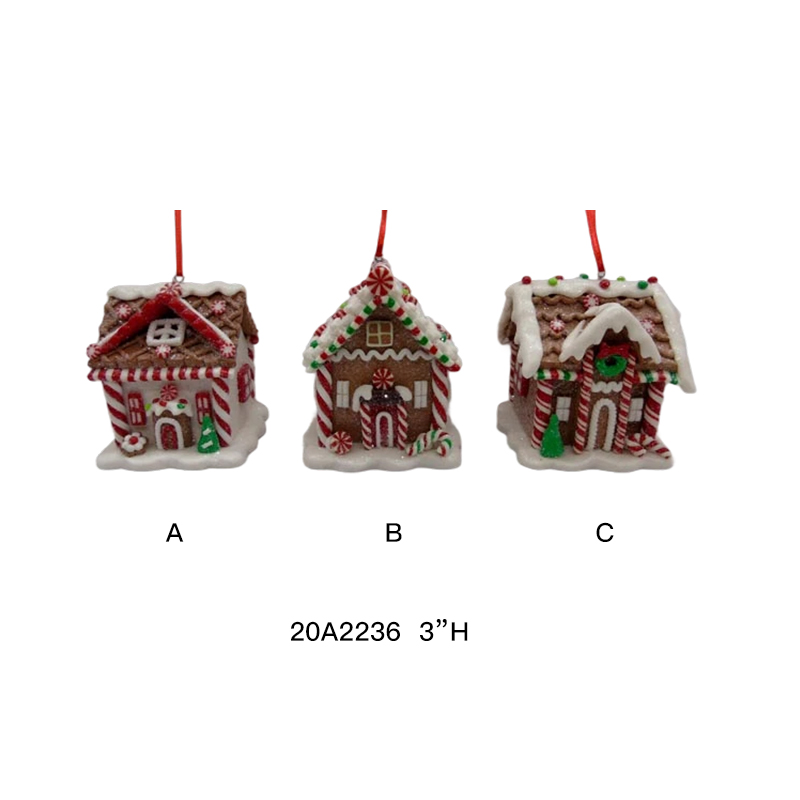
The realism of a gingerbread house first stems from the accuracy of its overall structural proportions. By meticulously shaping the roof slope, wall thickness, and door and window layout, a stable building outline is formed in the clay dough before it fully hardens. Appropriate hand-pressing and edge finishing can simulate the natural irregularities produced during baking, thus avoiding an overly mechanical appearance and making the overall design closer to a real gingerbread house.
2. Surface Texture Enhancement for a Realistic Feel
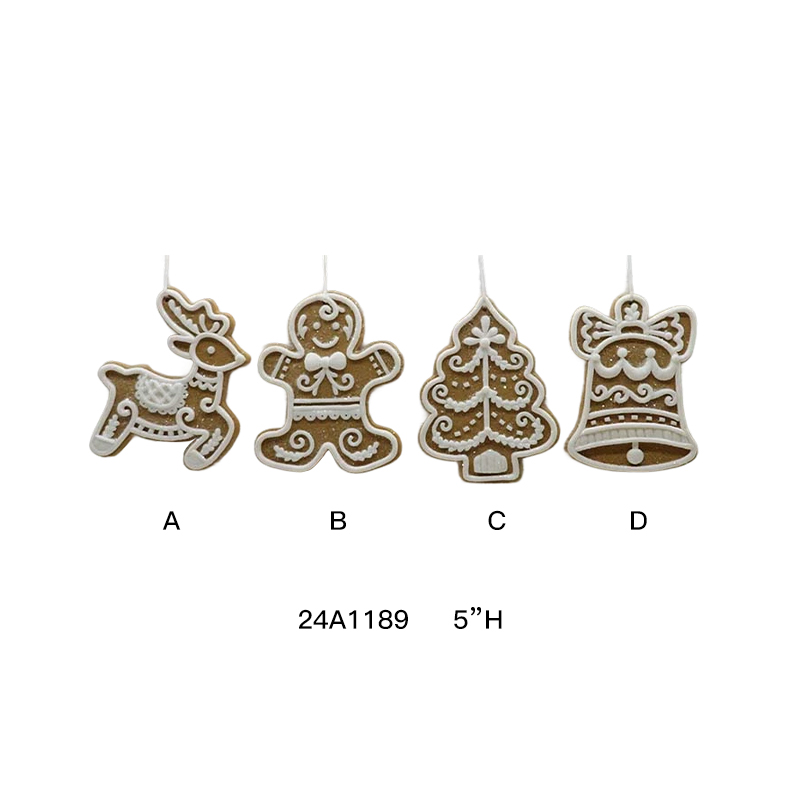
To simulate the grainy texture and baking patterns of cookies, detailed carving can be done on the clay surface. For example, subtle textures can be created through embossing or light sanding, mimicking the texture of baked dough. Simultaneously, slight color variations in certain areas simulate different baking depths, enhancing visual depth and realism.
3. Using Icing-like Techniques to Create Detailed Highlights
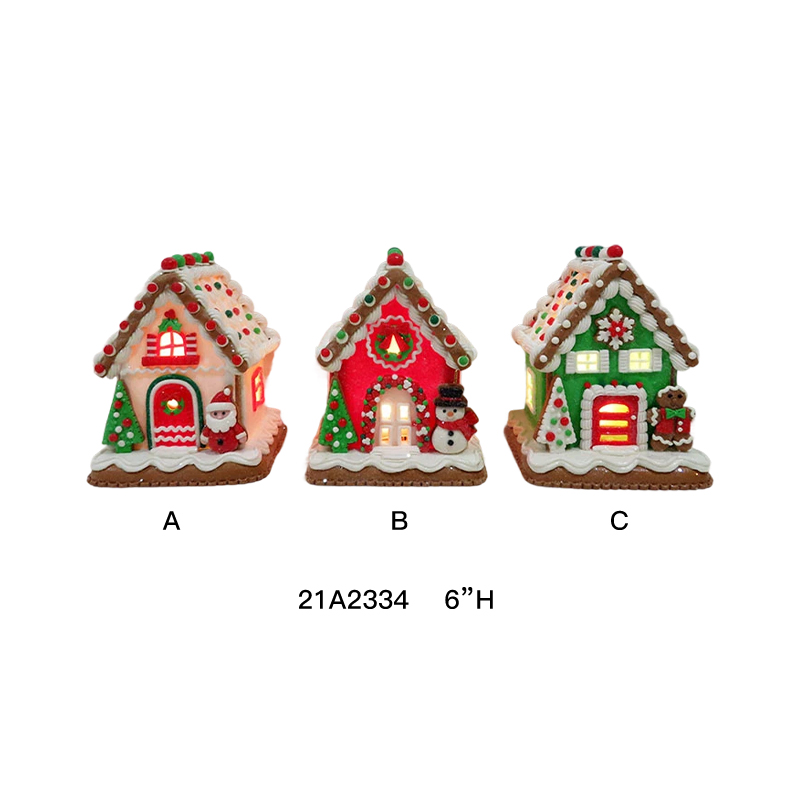
Icing is a key decorative element of gingerbread houses. By using a high-viscosity white material or a special coating, it can be applied to the edges of the roof, window frames, and seams to create an effect similar to flowing or accumulated icing. A layered coating process gives the "icing" a certain thickness and three-dimensionality, making it visually closer to real dessert decorations.
4. Color Coordination to Create a Festive Atmosphere
The classic red, white, and green color scheme is a key symbol of Christmas. In clay dough decorations, a comprehensive color design gives the main body a warm "gingerbread color," complemented by red candies, green decorations, and white icing accents, enhancing the overall festive atmosphere. At the same time, controlling color saturation and transitions ensures harmony and unity among elements, avoiding jarring contrasts.
5. Miniature Decorations Enhance Three-Dimensionality and Fun
To further enhance realism, miniature decorative elements, such as imitation candies, candy canes, or small ornaments, can be added to the surface of the gingerbread house. These details not only enrich the visual layers but also enhance the fun and aesthetic appeal of the piece. A well-planned layout, ensuring the decorations are distributed naturally and orderly, can make the overall effect more vivid.
In conclusion, clay Christmas ornaments, through the comprehensive application of shaping, texture depiction, imitation icing treatment, and color and detail decoration, can highly replicate the realistic effect of a gingerbread house. This design approach, centered on craftsmanship details, not only enhances the artistic expression of the product but also adds a unique charm to holiday decorations.
1. Basic Shaping to Recreate the Building's Outline
The realism of a gingerbread house first stems from the accuracy of its overall structural proportions. By meticulously shaping the roof slope, wall thickness, and door and window layout, a stable building outline is formed in the clay dough before it fully hardens. Appropriate hand-pressing and edge finishing can simulate the natural irregularities produced during baking, thus avoiding an overly mechanical appearance and making the overall design closer to a real gingerbread house.
2. Surface Texture Enhancement for a Realistic Feel
To simulate the grainy texture and baking patterns of cookies, detailed carving can be done on the clay surface. For example, subtle textures can be created through embossing or light sanding, mimicking the texture of baked dough. Simultaneously, slight color variations in certain areas simulate different baking depths, enhancing visual depth and realism.
3. Using Icing-like Techniques to Create Detailed Highlights
Icing is a key decorative element of gingerbread houses. By using a high-viscosity white material or a special coating, it can be applied to the edges of the roof, window frames, and seams to create an effect similar to flowing or accumulated icing. A layered coating process gives the "icing" a certain thickness and three-dimensionality, making it visually closer to real dessert decorations.
4. Color Coordination to Create a Festive Atmosphere
The classic red, white, and green color scheme is a key symbol of Christmas. In clay dough decorations, a comprehensive color design gives the main body a warm "gingerbread color," complemented by red candies, green decorations, and white icing accents, enhancing the overall festive atmosphere. At the same time, controlling color saturation and transitions ensures harmony and unity among elements, avoiding jarring contrasts.
5. Miniature Decorations Enhance Three-Dimensionality and Fun
To further enhance realism, miniature decorative elements, such as imitation candies, candy canes, or small ornaments, can be added to the surface of the gingerbread house. These details not only enrich the visual layers but also enhance the fun and aesthetic appeal of the piece. A well-planned layout, ensuring the decorations are distributed naturally and orderly, can make the overall effect more vivid.
In conclusion, clay Christmas ornaments, through the comprehensive application of shaping, texture depiction, imitation icing treatment, and color and detail decoration, can highly replicate the realistic effect of a gingerbread house. This design approach, centered on craftsmanship details, not only enhances the artistic expression of the product but also adds a unique charm to holiday decorations.