


How Does the Artistry of Handcrafted Clay Dough Figurines Elevate Modern Christmas Ornaments?
Release Time : 2026-05-06
In an era dominated by mass-produced plastic and automated manufacturing, the Christmas tree stands as a sanctuary of tradition, yet it is increasingly populated by ornaments that lack soul. However, a quiet renaissance is occurring in the world of holiday decor, driven by a return to tactile, artistic materials. At the forefront of this movement are handcrafted clay dough figurines. Unlike the fleeting charm of DIY kits or the uniformity of factory-molded resin, professional clay dough ornaments represent a pinnacle of artistic craftsmanship. These pieces, sculpted from high-quality, non-toxic doughs and finished with meticulous detail, do more than simply hang on a branch; they infuse the holiday season with a sense of heritage, warmth, and artistic integrity that modern manufacturing simply cannot replicate.
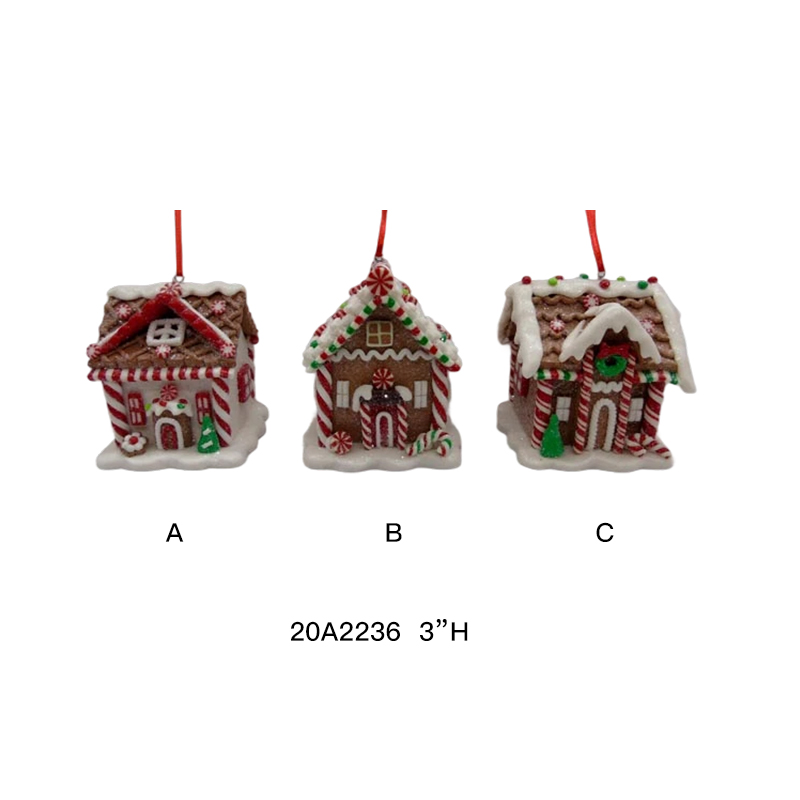
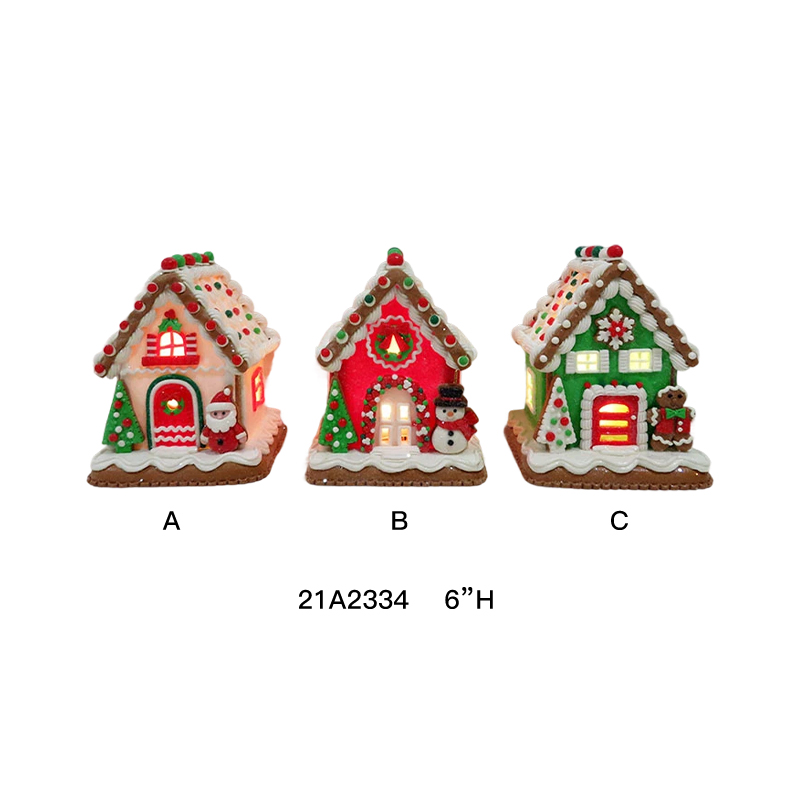
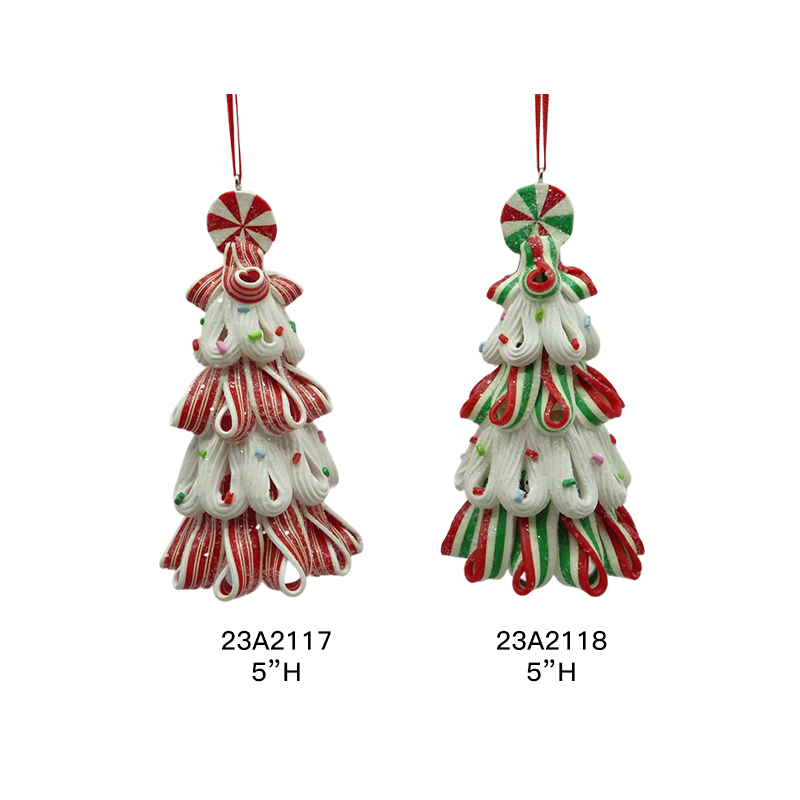
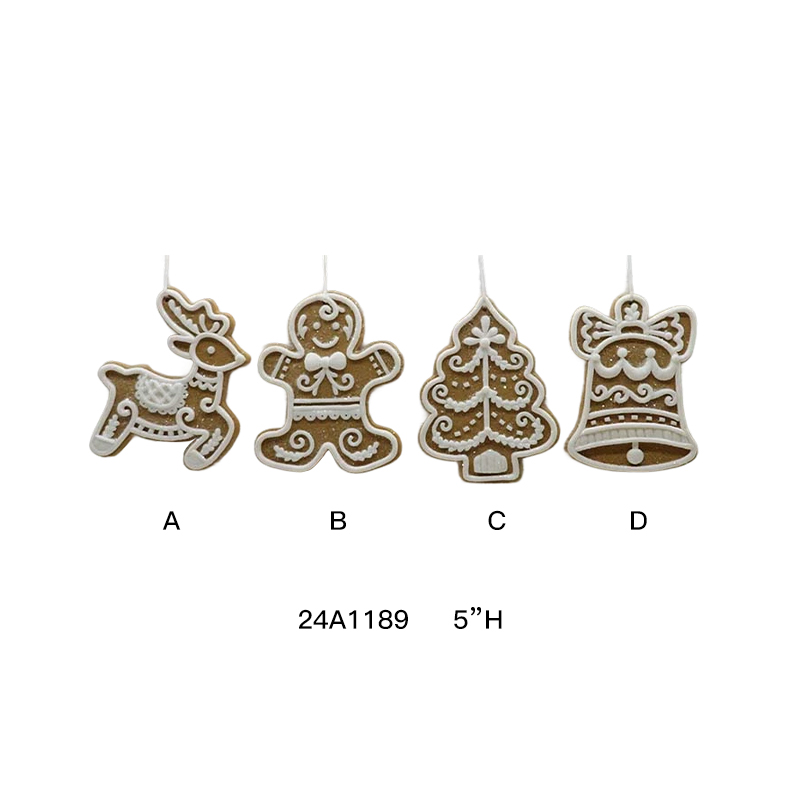
The primary way these figurines elevate modern decor is through their unparalleled textural and visual depth. Clay dough, often referred to as bread dough or resin clay in professional circles, possesses a unique malleability that allows artisans to capture nuances that rigid plastics cannot. When a skilled craftsman works with this medium, they can create soft, organic transitions—such as the flush of a cheek on a Santa Claus, the delicate folds of an angel’s robe, or the rugged texture of a reindeer’s fur. This material accepts pigments deeply, resulting in colors that are rich and matte rather than the synthetic sheen often associated with injection-molded ornaments. The finish is warm to the touch and visually inviting, creating a stark, elegant contrast against the glossy lights and tinsel of a modern Christmas tree.
Furthermore, the shift toward non-DIY, professionally crafted clay ornaments marks a significant change in consumer values. For decades, the "craft store" aesthetic dominated the market, where the value lay in the activity of making. However, the modern consumer, often pressed for time but seeking higher quality, is turning toward finished masterpieces. A professionally sculpted clay figurine carries the weight of expertise. It implies that the proportions have been perfected, the structural integrity is sound, and the painting is precise. These are not hobbyist experiments; they are finished works of art. By choosing a finished clay dough ornament, the decorator is curating a collection of quality over quantity, signaling a move away from the disposable culture of fast fashion and toward "slow decor" that is meant to be cherished for generations.
The artistic potential of clay dough also allows for a level of narrative complexity that elevates the storytelling aspect of Christmas decor. A standard glass bauble is abstract; it reflects light but tells no story. In contrast, a clay dough figurine can depict a specific scene—a Victorian family ice skating, a detailed nativity scene, or a whimsical woodland creature village. Because the material can be sculpted in high relief and with intricate layering, these ornaments become miniature dioramas. They invite the viewer to lean in and inspect the details: the tiny snowflakes on a coat, the expression in a character's eyes, or the intricate patterns on a gift box. This engagement transforms the act of decorating the tree from a chore into an appreciation of art, turning the Christmas tree into a gallery of miniature sculptures.
Durability and preservation are also key factors in how these ornaments elevate the holiday experience. Unlike fragile glass or brittle polystyrene, high-quality clay dough—once cured and sealed—is remarkably resilient. It is not prone to shattering upon impact, making it a safer choice for families with children or pets. More importantly, the material is resistant to the degradation that affects cheaper plastics, which can yellow or become brittle over time. A clay dough figurine, properly cared for, retains its color and structural integrity for decades. This longevity fosters an emotional connection; the ornament becomes an heirloom. It carries the memories of Christmases past, developing a patina of nostalgia that new, mass-produced items can never achieve. The knowledge that this object will likely be unpacked by one's grandchildren adds a profound layer of sentimental value to its physical presence.
Finally, the artistry of clay dough figurines bridges the gap between folk art and modern design. While the material has roots in traditional folk crafts, modern manufacturers—particularly industry leaders in China who have refined these techniques—have elevated the medium to new heights. They combine traditional hand-sculpting methods with modern color theory and design aesthetics to create pieces that fit seamlessly into contemporary interiors. Whether it is a minimalist geometric reindeer or a hyper-realistic Victorian Santa, the versatility of the medium ensures that these ornaments do not look "old-fashioned" but rather timeless. They ground the modern, often digital-heavy holiday experience in something tangible and human.
In conclusion, handcrafted clay dough figurines elevate modern Christmas ornaments by reintroducing the human touch to the holiday season. They offer a sensory richness, a narrative depth, and a lasting durability that mass-produced alternatives lack. By prioritizing professional artistry over amateur assembly, these ornaments transform the Christmas tree into a testament to craftsmanship and tradition, proving that even in a digital age, the most beautiful things are still those made by hand.
The primary way these figurines elevate modern decor is through their unparalleled textural and visual depth. Clay dough, often referred to as bread dough or resin clay in professional circles, possesses a unique malleability that allows artisans to capture nuances that rigid plastics cannot. When a skilled craftsman works with this medium, they can create soft, organic transitions—such as the flush of a cheek on a Santa Claus, the delicate folds of an angel’s robe, or the rugged texture of a reindeer’s fur. This material accepts pigments deeply, resulting in colors that are rich and matte rather than the synthetic sheen often associated with injection-molded ornaments. The finish is warm to the touch and visually inviting, creating a stark, elegant contrast against the glossy lights and tinsel of a modern Christmas tree.
Furthermore, the shift toward non-DIY, professionally crafted clay ornaments marks a significant change in consumer values. For decades, the "craft store" aesthetic dominated the market, where the value lay in the activity of making. However, the modern consumer, often pressed for time but seeking higher quality, is turning toward finished masterpieces. A professionally sculpted clay figurine carries the weight of expertise. It implies that the proportions have been perfected, the structural integrity is sound, and the painting is precise. These are not hobbyist experiments; they are finished works of art. By choosing a finished clay dough ornament, the decorator is curating a collection of quality over quantity, signaling a move away from the disposable culture of fast fashion and toward "slow decor" that is meant to be cherished for generations.
The artistic potential of clay dough also allows for a level of narrative complexity that elevates the storytelling aspect of Christmas decor. A standard glass bauble is abstract; it reflects light but tells no story. In contrast, a clay dough figurine can depict a specific scene—a Victorian family ice skating, a detailed nativity scene, or a whimsical woodland creature village. Because the material can be sculpted in high relief and with intricate layering, these ornaments become miniature dioramas. They invite the viewer to lean in and inspect the details: the tiny snowflakes on a coat, the expression in a character's eyes, or the intricate patterns on a gift box. This engagement transforms the act of decorating the tree from a chore into an appreciation of art, turning the Christmas tree into a gallery of miniature sculptures.
Durability and preservation are also key factors in how these ornaments elevate the holiday experience. Unlike fragile glass or brittle polystyrene, high-quality clay dough—once cured and sealed—is remarkably resilient. It is not prone to shattering upon impact, making it a safer choice for families with children or pets. More importantly, the material is resistant to the degradation that affects cheaper plastics, which can yellow or become brittle over time. A clay dough figurine, properly cared for, retains its color and structural integrity for decades. This longevity fosters an emotional connection; the ornament becomes an heirloom. It carries the memories of Christmases past, developing a patina of nostalgia that new, mass-produced items can never achieve. The knowledge that this object will likely be unpacked by one's grandchildren adds a profound layer of sentimental value to its physical presence.
Finally, the artistry of clay dough figurines bridges the gap between folk art and modern design. While the material has roots in traditional folk crafts, modern manufacturers—particularly industry leaders in China who have refined these techniques—have elevated the medium to new heights. They combine traditional hand-sculpting methods with modern color theory and design aesthetics to create pieces that fit seamlessly into contemporary interiors. Whether it is a minimalist geometric reindeer or a hyper-realistic Victorian Santa, the versatility of the medium ensures that these ornaments do not look "old-fashioned" but rather timeless. They ground the modern, often digital-heavy holiday experience in something tangible and human.
In conclusion, handcrafted clay dough figurines elevate modern Christmas ornaments by reintroducing the human touch to the holiday season. They offer a sensory richness, a narrative depth, and a lasting durability that mass-produced alternatives lack. By prioritizing professional artistry over amateur assembly, these ornaments transform the Christmas tree into a testament to craftsmanship and tradition, proving that even in a digital age, the most beautiful things are still those made by hand.